

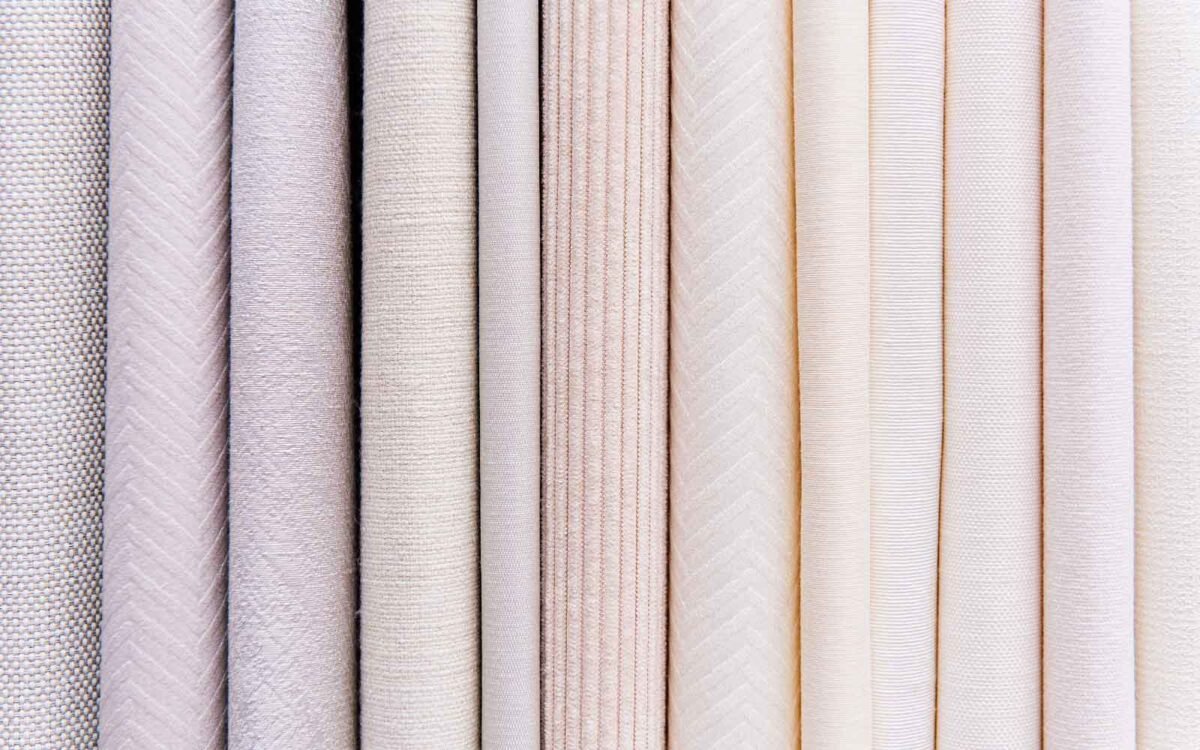
Natural Fabrics: Embracing Organic Materials
Natural fabrics, derived from organic materials, have long been celebrated for their unique properties and sustainability. These materials come from various sources including plants, animals, and minerals, each offering distinct characteristics that cater to diverse textile needs.
Cotton, one of the most popular natural fabrics, originates from the cotton plant’s fluffy fiber. Renowned for its softness, breathability, and versatility, cotton is commonly used in everyday apparel and home textiles. Its hypoallergenic nature makes it particularly suitable for individuals with sensitive skin, while its ability to absorb moisture ensures comfort in warmer climates.
Linen, another esteemed natural fabric, is made from the fibers of the flax plant. This fabric is known for its exceptional durability and absorbent qualities, which contribute to its popularity for summer wear. Linen’s unique texture, characterized by its natural luster and crisp finish, provides a relaxed yet polished appearance. Additionally, it is resistant to dirt and dries quickly, making it an ideal choice for outdoor garments.
Wool, sourced from sheep and other animals, is prized for its warmth and insulation properties. This fabric can be woven or knitted into various textures and weights, allowing for a wide range of applications, from cozy sweaters to elegant suits. Wool is also naturally moisture-wicking, keeping the wearer comfortable by regulating body temperature, which makes it suitable for both cold and warm climates.
Silk, a luxurious fabric produced by silkworms, is esteemed for its smooth texture and lustrous finish. It is lightweight while providing a skincare-soft touch, making it a preferred choice for formal wear and high-end garments. Silk is also breathable and has natural insulating properties, ensuring comfort across various temperatures.
Natural fabrics not only offer aesthetic appeal but also embody eco-friendliness due to their biodegradable nature and minimal environmental impact during production. Embracing these organic materials fosters a thoughtful approach to fashion, promoting sustainability while enjoying comfort and style.
Synthetic Fabrics: The Rise of Man-Made Materials
Synthetic fabrics have become an integral part of the textile industry, rising to prominence due to their wide range of applications and unique properties. Developed through chemical processes, these man-made materials offer several advantages over natural fibers. Prominent examples of synthetic fabrics include polyester, nylon, and spandex, each characterized by specific qualities that cater to various needs.
Polyester, known for its durability and resistance to shrinking and stretching, is often used in clothing and home furnishings. Its ability to wick moisture makes it a popular choice for activewear, allowing the wearer to stay dry and comfortable. Nylon, originally developed as a silk substitute, is revered for its extraordinary strength, lightweight nature, and resistance to abrasion. Often found in outdoor apparel, luggage, and various industrial applications, nylon’s versatility is a critical factor in its widespread use.
Spandex, on the other hand, is famed for its remarkable elasticity. With the capacity to stretch up to five times its original length, spandex is essential in garments that require a close fit, particularly in activewear and swimwear. The combination of these synthetic materials leads to innovations in fashion, providing options that enhance performance and comfort.
While synthetic fabrics offer many benefits, such as cost-efficiency and resilience, they also present environmental concerns. The production of man-made fibers often involves significant energy consumption and reliance on petrochemicals, raising questions about sustainability. Furthermore, the biodegradability of synthetic materials remains a challenge, leading to increased waste in landfills.
In understanding the characteristics of synthetic fabrics, consumers can make informed choices based on their specific needs. Between enhancing durability, stretchability, and water-resisting properties, man-made materials continue to play a crucial role in modern fabric offerings, providing practical alternatives to natural options.
Blended Fabrics: The Best of Both Worlds
Blended fabrics are an innovative solution in the fabric industry, skillfully combining natural and synthetic fibers to harness the strengths of both varieties. This blending results in textiles that not only provide comfort and aesthetic appeal but also offer enhanced durability and performance. Popular blends such as cotton-polyester and wool-acrylic exemplify the advantages of these hybrid materials. For instance, cotton-polyester blends leverage the softness and breathability of cotton with the durability and wrinkle-resistance of polyester, making them ideal for everyday wear and home textiles.
Wool-acrylic blends, on the other hand, present a unique combination of the warmth and luxurious feel of wool with the lightweight, hypoallergenic properties of acrylic fibers. This blend is particularly appealing in colder climates where comfort, warmth, and ease of maintenance are desired. The benefits of using blended fabrics extend beyond comfort and aesthetics; they significantly reduce issues such as wrinkling and shrinkage. For those engaged in sewing and crafting projects, this can translate into easier handling and better end results.
Moreover, blended fabrics often exhibit improved elasticity and shape retention, making them suitable for various applications, from casual wear to activewear. As a result, the versatility of blended textiles appeals to a wide audience, including fashion designers, hobbyists, and consumers. Understanding the specific characteristics and benefits of different blends allows buyers to make informed decisions, ensuring their sewing and crafting projects meet desired standards of quality and durability. Ultimately, blended fabrics represent a practical choice for anyone looking to invest in textiles that combine functionality with style.
Specialty Fabrics: Unique Options for Specific Needs
Specialty fabrics are specifically engineered materials designed to fulfill particular purposes across various applications. These fabrics stand out due to their unique functionalities, making them an excellent choice for diverse projects ranging from fashion design to home décor and outdoor activities. Understanding the attributes of specialty fabrics is crucial for making informed choices tailored to specific project requirements.
Upholstery fabric is one prominent category of specialty fabrics. Often used in furniture covering, these textiles must be durable and resilient to withstand daily wear and tear while remaining aesthetically pleasing. They can be made from a variety of fibers including cotton, linen, and synthetic blends, each offering distinct characteristics such as stain resistance, texture, and colorfastness. When selecting upholstery fabric, it is essential to consider factors like usage frequency and the environment in which the furniture will reside, ensuring the material aligns with lifestyle needs.
Another notable group is technical fabrics, which include materials engineered for performance in demanding environments. These fabrics are commonly found in sporting gear and industrial applications where functionalities such as moisture-wicking, breathability, and UV protection are crucial. Fabrics like Gore-Tex and ripstop nylon exemplify technical textiles aimed at enhancing performance while keeping wearers comfortable. Depending on the intended use, technical fabrics can also provide additional properties like wind resistance and waterproofing, making them the go-to choice for outdoor enthusiasts.
Lastly, performance textiles combine various functionalities, often merging fashion with technology. These fabrics can be found in activewear, costumes, and specialty clothing designed for specific activities, offering flexibility without sacrificing style. Performance textiles, made from innovative synthetic fibers, ensure mobility while maintaining comfort, demonstrating the advancement in fabric technology for diverse lifestyle choices.
In selecting specialty fabrics for your projects, it’s important to evaluate their features in relation to specific needs, ensuring optimal outcomes in your crafting endeavors.